Natalia Ramírez
Natalia Ramírez is an upcoming post-graduate Art Historian with an undergraduate degree from the University of Mary Washington, near Washington D.C. She will soon attend the University of St Andrews in Fife, Scotland to pursue her MLitt in Art History as well.With passion for, and experience in art historical research, museum and gallery work, and archival preservation, she intends to grow a career in Art History and cultural diplomacy.

Graduate Degree
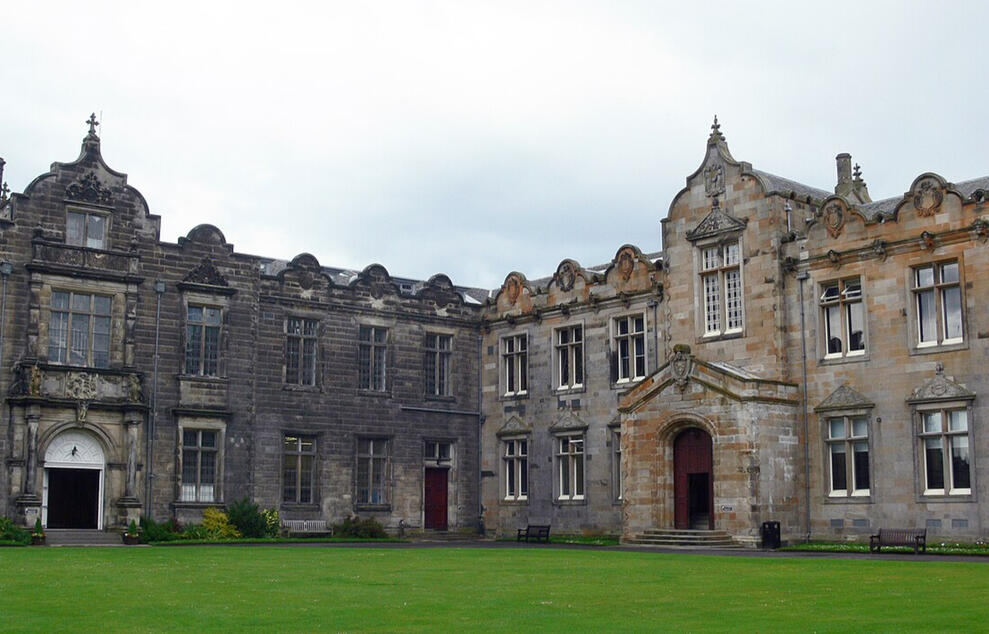
Come September 2025, Natalia R. will begin her post-graduate study at the University of St Andrews in Fife, Scotland. Through her Master's of Letters degree in Art History, she intends to further her research on Early Modern connections between Asia and Latin America, as well as explore opportunities in cultural diplomacy and museum curation.
Undergraduate Degree
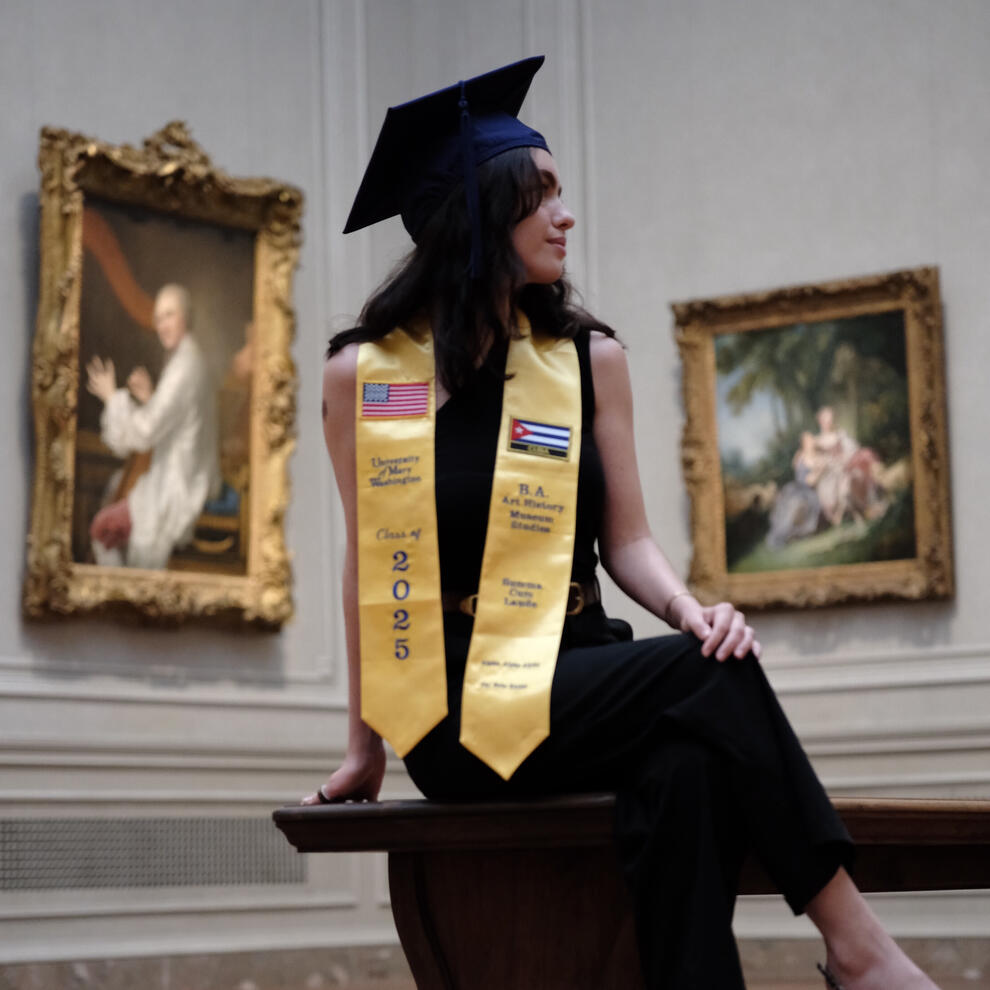
Natalia R. has completed her B.A. as of May, 2025 in Art History and Museum Studies with departmental honors, membership in the Phi Beta Kappa and Alpha Alpha Alpha honor societies, and Summa Cum Laude.She has completed two individual studies on trans-Pacific relations between East Asia and Colonial Mexico during the Early Modern period through a variety of media. For these projects, as well as others, she has conducted numerous travels abroad for site visits and curator interviews, including in Lisbon, Portugal.In addition to her written research, Natalia has completed three internships revolving around the curation and preservation of objects, both archival and contemporary. She has contributed to numerous exhibitions' installation, as well as the research and design of her own exhibition which displayed a survey of art historical rare books.
Research
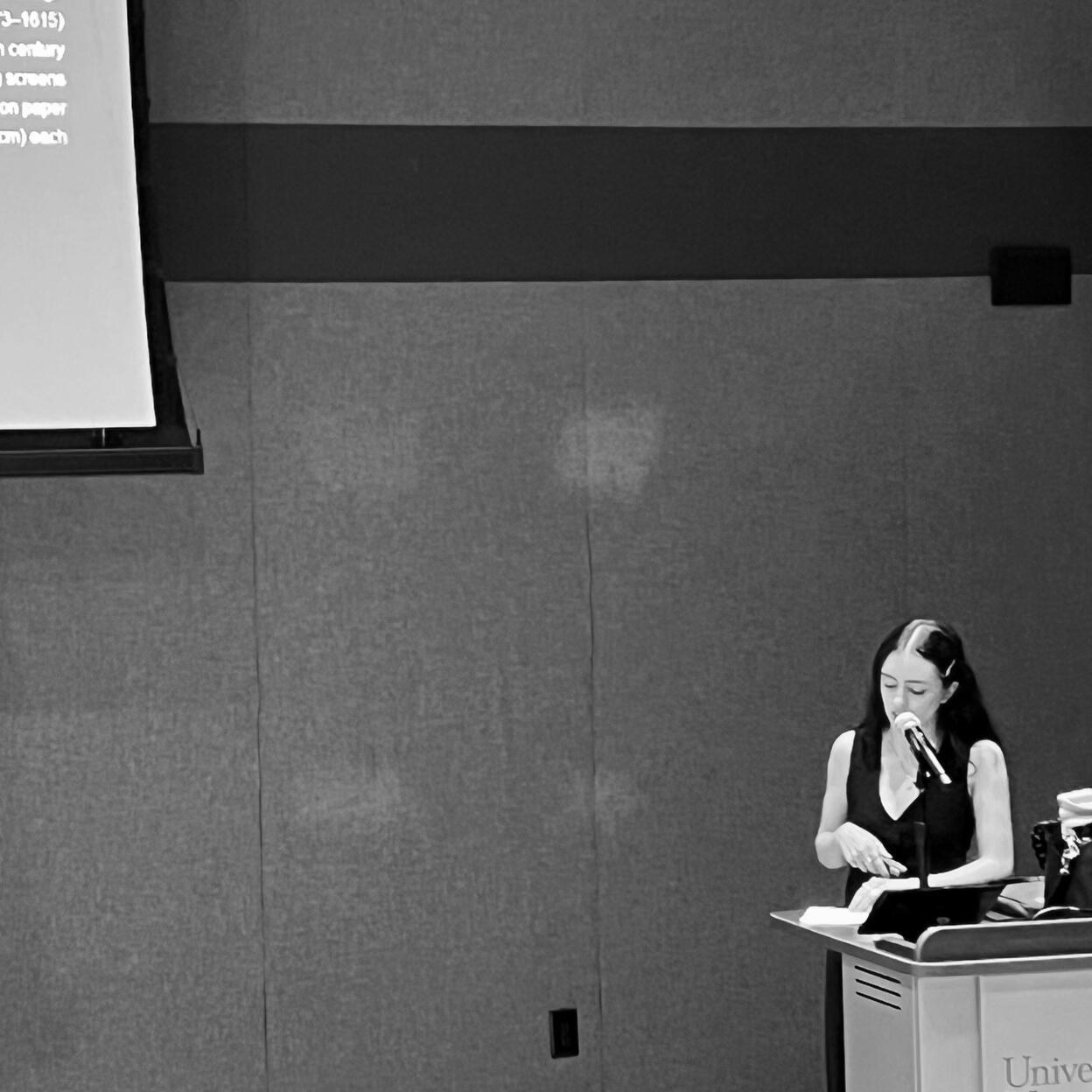
With Natalia's primary research being on Early Modern trans-Pacific relations, she has focused on ceramic ware in China and Mexico, as well as folding screens in China, Japan, and Mexico. Through these media and their origins, she explores how international relations shaped the Early Modern world, expanding theses beyond power and wealth to look at translocalized culture, and how art survives as an intimate documentation of such phenomena.She hopes for this research to grow and thrive during her graduate studies, as well as. contribute to her future career opportunities in diplomacy and cultural curation through art. She ultimately seeks to contribute both perspective and discovery to a growing field of interdisciplinary efforts to nurture cultural history.
Completed Research Publications
At the Junction of Gender and Divinity: A Case Study of an Indian Miniature Painting
This case study of a late eighteenth-century Indian miniature delves into the nuances of gender within the Hindu pantheon through the expansive lens of the Gender Studies social theory. The small watercolor painting vividly depicts a religious festival that displays a plethora of social and ideological values that both implicitly and explicitly portray gender. In looking in depth at leading authors and ideas within Gender Studies, as well as primary philosophies and functions within Hinduism, constructs and consequences of gender in eighteenth-century northern India are unveiled. This paper prioritizes interdisciplinary approaches to understanding the intricacies of gender within Hindu society, carefully considering the context in which the painting was created. Dynamics of love, ritual, performance, and domestic life demonstrate the nuanced web of gender within the multifaceted society.This piece was published by the UMW Columns Research Journal in the Spring of 2024
Levitt by the Sea, an Exhibition and Catalog
Levitt by the Sea showcases the extraordinary works of the Modernist artist Alfred Levitt (1894-2000) during his summers in the artist colony of Gloucester, Massachusetts. The mixture of plein-air and studio pieces displays his experimentation in the 1940s with the contemporary styles of Cubism and Surrealism, while also capturing the working waterfront and landscape of Gloucester as inspiration. Through his art, Levitt transforms familiar seaside images into visually challenging and thought-provoking compositions, asking the viewer to closely inspect the intricacies of each scene. Occupying the Ridderhof Martin Gallery, this collection of almost thirty works is a love letter from Levitt to the creative spirit of Gloucester and his memories of his summers spent there.This exhibition was curated by the students of UMW’s Art History 317 course, Laboratory in Museum Studies, with guidance from Dr. Tracy Stonestreet.In conjunction with this exhibition is a timeline of Levitt’s life and work that analyzes the evolution of his artistic style. The accompanying timeline is curated and designed by the UMW Galleries Spring 2024 Interns.Natalia Ramirez's personal contributions to this project included the research and writing of the exhibition catalog's forward essay.
Art in Print: Illuminating a Creative History
Aiming to highlight the diverse range of rare books that the University of Mary Washington’s Special Collections and Archives has to offer, this exhibition explores the art history collection, providing a global survey from prehistory to contemporary time periods. Spanning from the Americas, Asia, Arabia, Europe, and North Africa, these books seek to highlight the diverse styles, materials, and contents, while also exemplifying the global interconnectedness throughout history. Taking a chronological approach, this exhibition acknowledges the limitations of historical periodization, while appreciating the groundwork for historical understanding that has been laid.This exhibition was researched, curated, and digitally converted by Natalia Ramirez with the supervision of the UMW Special Collections and Archives staff of specialists.
Autumn 2024 Study of Baroque Folding Screens

This study focuses into the often-overlooked world of 16th-17th-century globally-mobile folding
screens, revealing them as vastly important cultural objects.By contrasting the Conquest of Mexico screen with the Japanese Namban Folding Screen, the
nuances of cultural interaction through creative objects becomes illuminated and
revered as important pieces of global history.
Spring 2025 Study of Ceramics
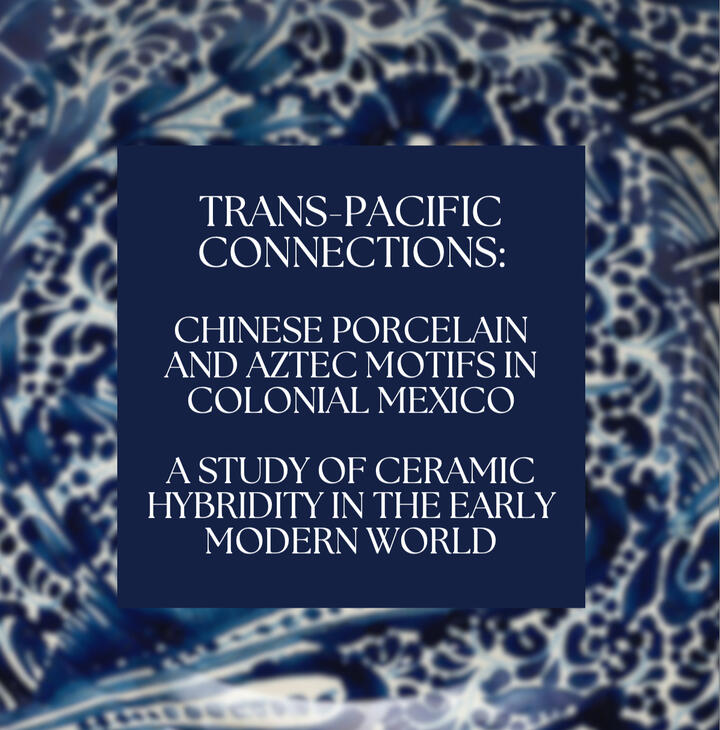
Through a close observational comparison of Aztec and Chinese decorative systems, the
study recognizes contrasting systems of cultural documentation embedded within similar visual
forms.Aztec motifs, rooted in ritual, calendrical, and pictographic symbolism, were frequently
misunderstood or abstracted into surface patterning by Western historical narratives, especially
while under colonial rule.